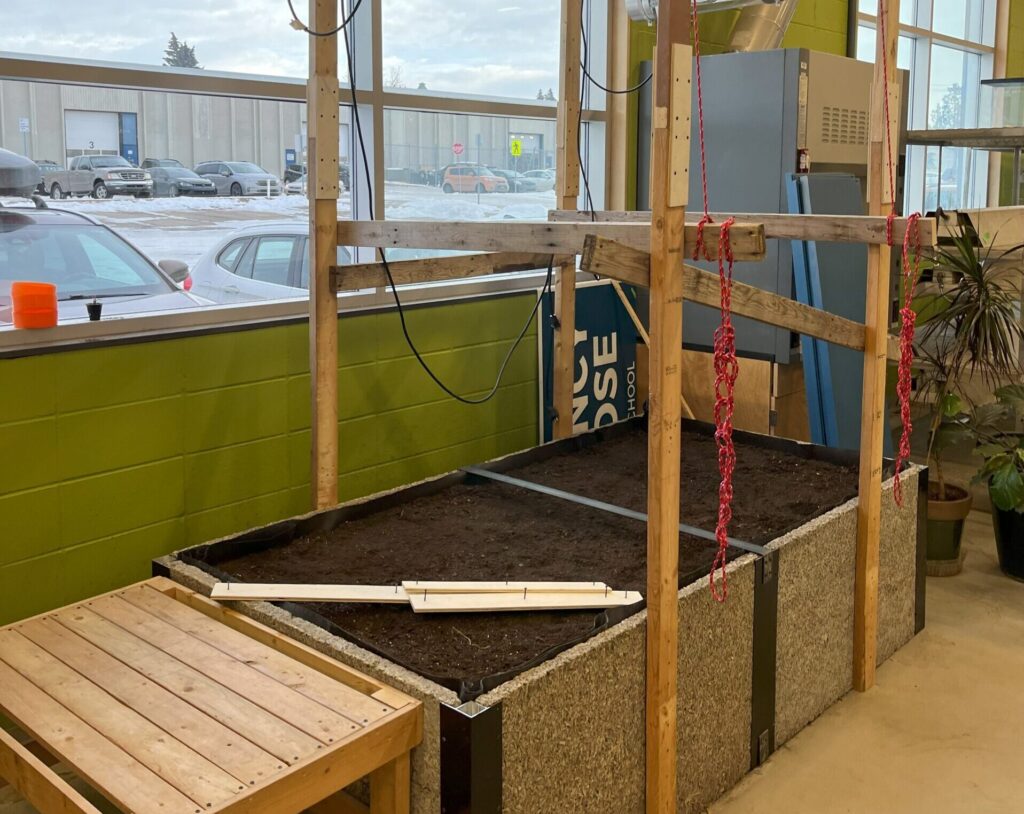

Where are the majority of farms that use irrigation located?
learn and do
 LEARN: WHEN IS FARM MECHANIZATION CONSIDERED EFFICIENT AND SUSTAINABLE?
DO: CONNECTING PRECISION AGRICULTURE AND SUSTAINABILITY
build these competencies


new technologies
New technologies continue to be developed that improves the efficiency and sustainability of farm machinery – including new designs and functions for tractors and combines. These technologies include sensors and computers, global positioning systems (GPS), unmanned aerial vehicles and robotics.
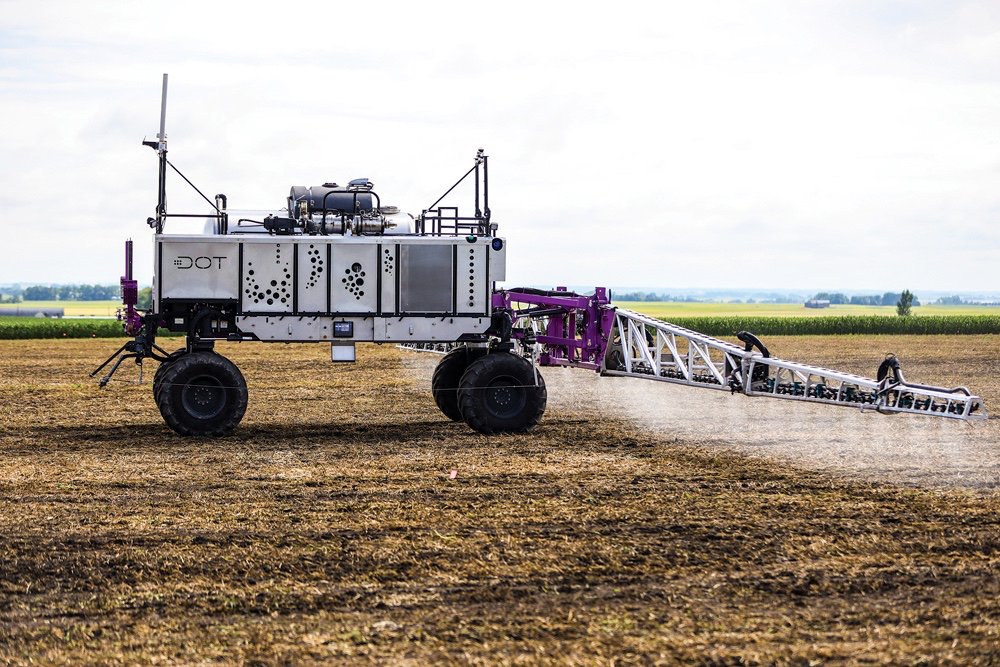
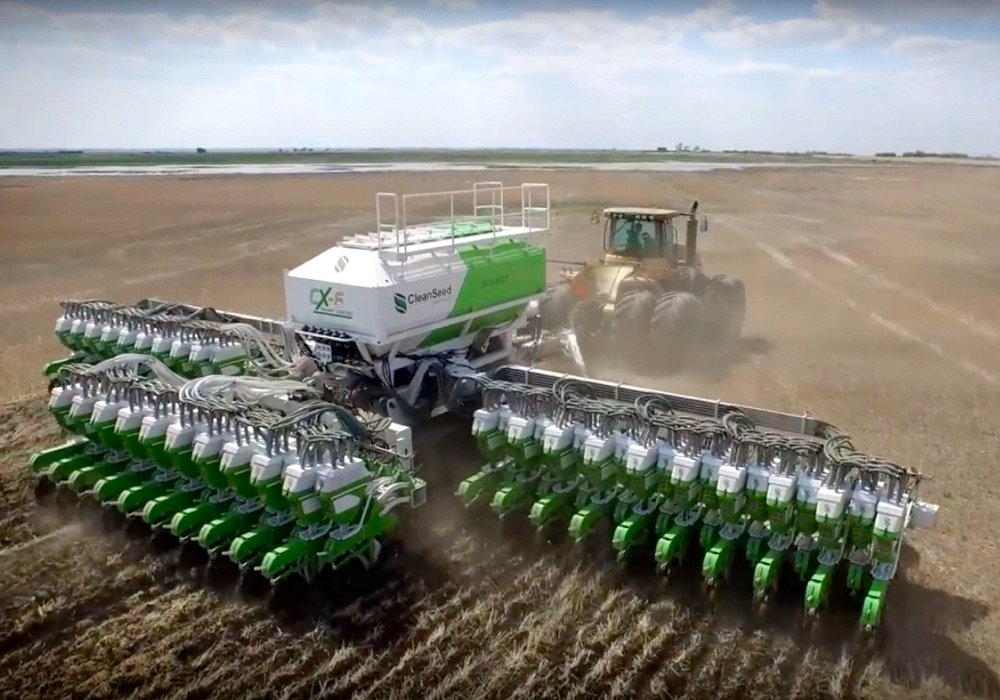
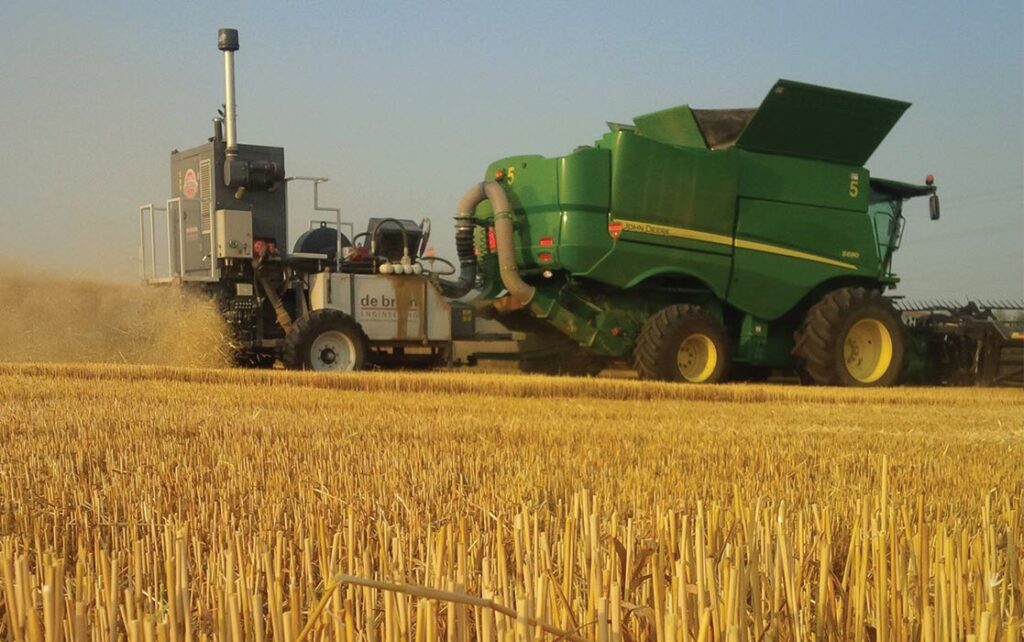
 What functions can you identify in each of the photos of modern agricultural machinery?
What changes do you see evidence of in the photos of modern farm machinery?
Olds College in Alberta shows how a self-driving DOT Power Platform – a driverless tractor – can be equipped with implements such as a seeder or sprayer.
A company from Saskatchewan called CleanSeed has developed a SMART Seeder that uses zero-till to seed the crops.
This combine includes a new technology that crushes chaff and the seeds within it as it comes out of the combine. It is tested on a canola harvest.
changing tillage practices
Tillage practices are one example of a farming practice that has evolved over time to improve sustainability of the environment.
Traditionally, most farmers used conventional tillage when preparing and seeding their crop field.
However, in the last few decades, farmers have increased their use of conservation tillage and no-till – or zero-till – practices.
- In zero-till seeding, special machinery is used to slice a thin slit into the soil to deposit the seeds.
- In conservation tillage, machines are used to create furrows. However, the depth of the furrows created for the seeds are less than conventional tillage.
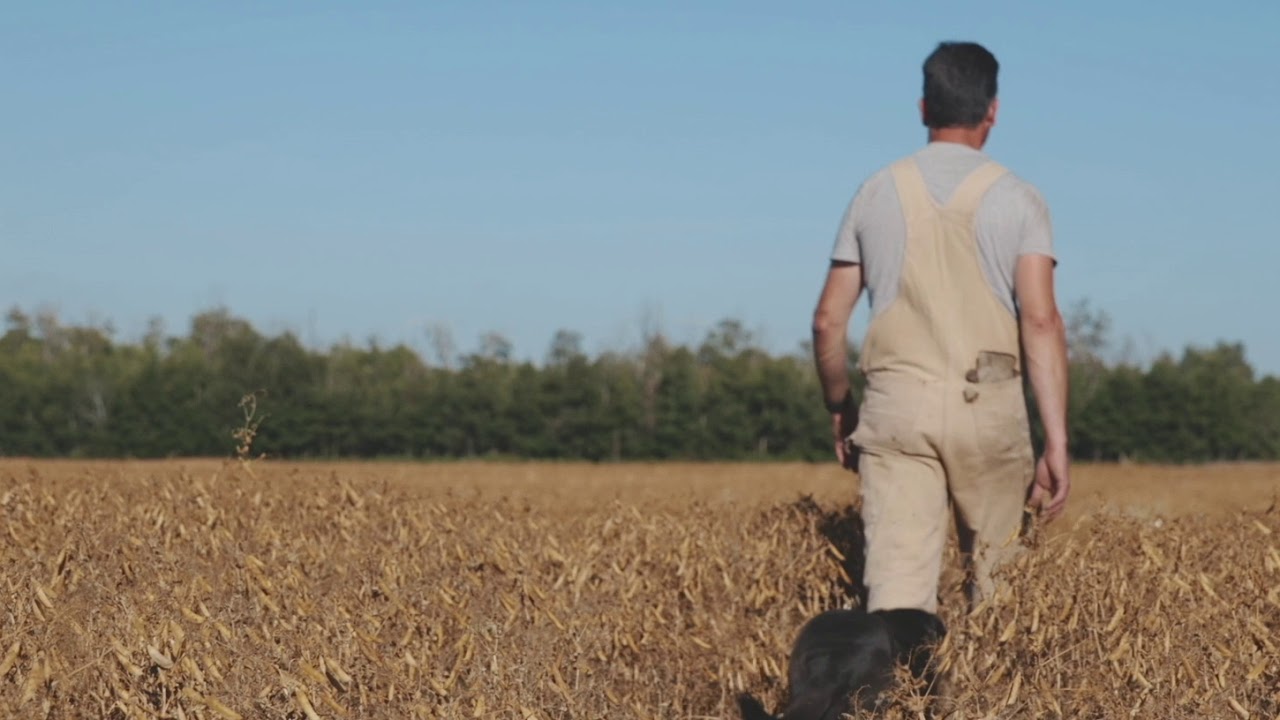
Watch and listen to the A Year in the Life video to learn more about how a pulse crop is seeded and harvested.

irrigation practices
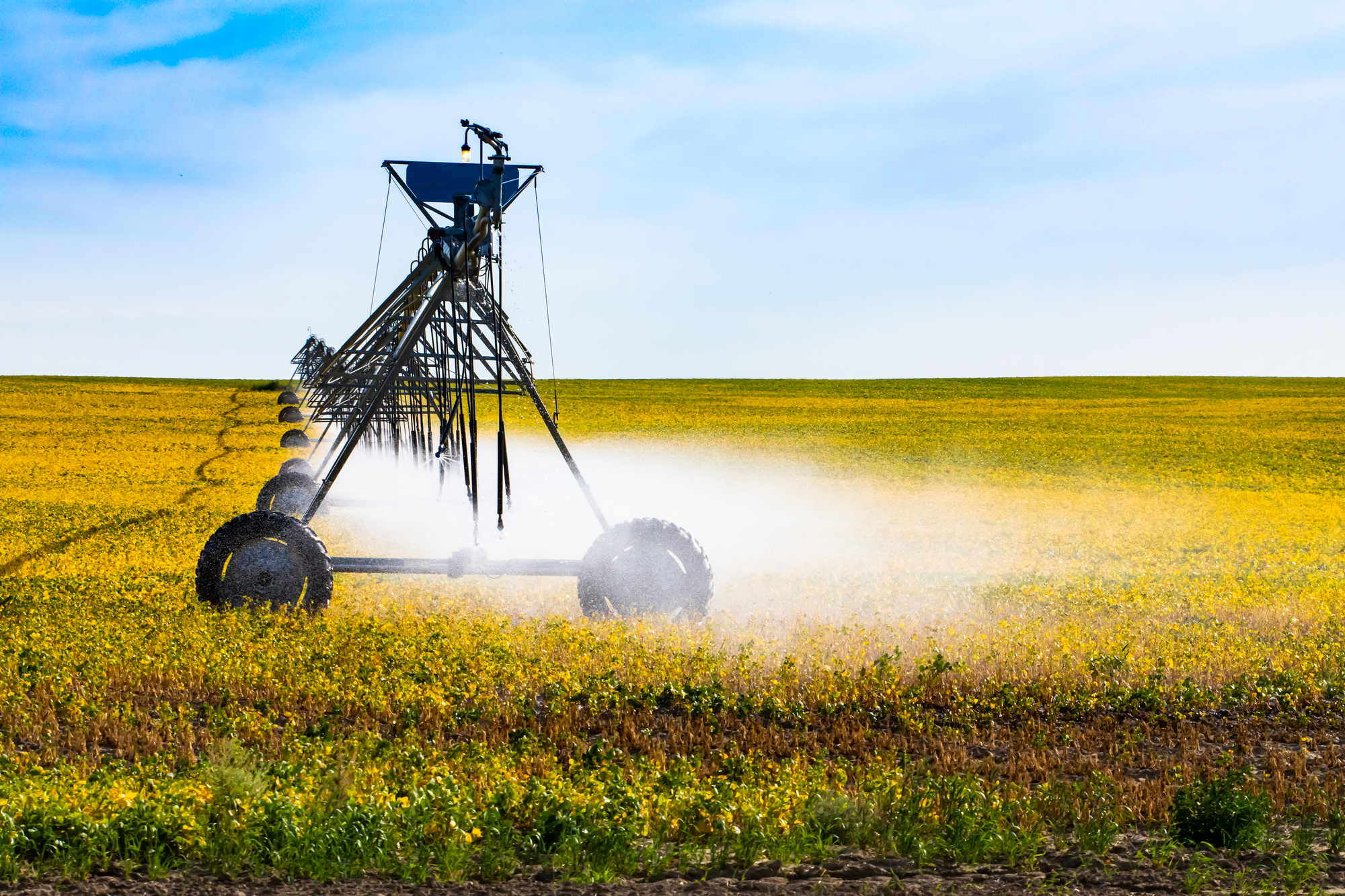
In what ways do you think sustainable irrigation practices depend on mechanization?
Photos from Olds College and High-tech seeding. Country Guide: Online. www.country-guide.ca/crops/high-tech-seeding-technology-comes-to-the-field/ and Manage Weeds with the Combine. Canola Digest online. https://canoladigest.ca/september-2018/manage-weeds-with-the-combine/
Irrigation information from Environment Fact Sheets (2021). Agricultural irrigation patterns in Canada from 2012 to 2018. Statistics Canada online. www150.statcan.gc.ca/n1/pub/16-508-x/16-508-x2021001-eng.htm
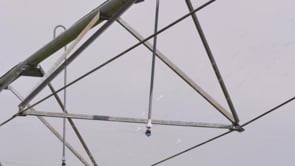
Irrigation is an important agricultural practice in areas where precipitation levels are low during the growing season. The majority of farms that use irrigation are located in Alberta and British Columbia.
These farms use irrigation on land that is used to grow grass, legumes or other plants such as clover or alfalfa. Irrigation is also used for other field crops such as canola.
However, as of 2018, an increasing number of farms that use irrigation have also implemented water and energy conservation practices. The practices used most include:
- Incorporating compost or other organic matter into soil (18%)
- Watering at night or in the morning (18%)
- Using water or energy saving nozzles (17%)
Other conservation practices include:
- Leaving stubble on fields
- Reducing water pressure
- Wind breaks

Watch this original project AGRICULTURE video interview to learn about a centre pivot irrigation system used on an Alberta farm.
How does this irrigation system increase efficiency and sustainability?